Custom mobile application development
One app for both iOS and Android. Native performance at half the cost.
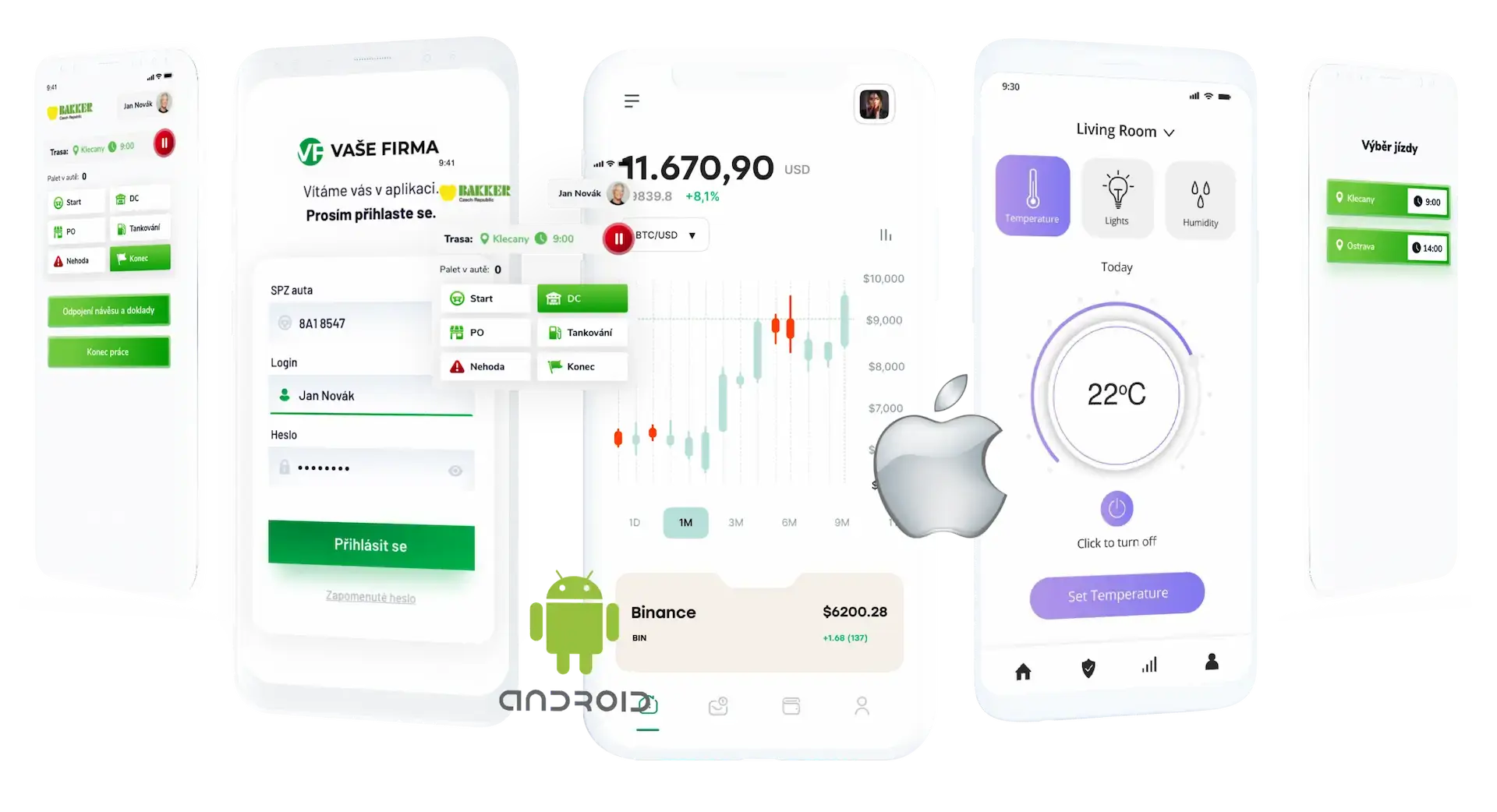




Custom mobile app development for iPhone and Android in React Native and Expo. One shared codebase, two platforms, faster time to market and lower development and maintenance costs.
 +
+  = one application


Custom mobile apps that pay for themselves
A mobile app is no longer an add-on to your website. It is the main channel your customers use to buy, book and communicate, and the tool your people work with in the field. iQuest has been building custom software since 2003 and today we develop mobile apps for iOS and Android from a single shared codebase in React Native. Building an app for both iPhone and Android therefore takes one team instead of two.
Mobile app development here starts with process analysis and UX/UI design, continues with agile development in React Native and Expo, and ends with publishing to the App Store and Google Play, including long-term support. We do not just deliver code. We deliver a working product connected to your information systems, ERP or CRM.
Whether you need an MVP for a startup, a customer app with a loyalty programme, or a corporate mobile app for hundreds of field employees, we design custom apps to fit the budget, to be extended step by step and to survive years of operation.
- 23+
- years of custom software development
- 90%
- of the code shared by iOS and Android
- up to 50%
- saved compared to two native teams
- 2 stores
- App Store and Google Play in one price
Main benefits of cross-platform development for your business
Efficiency and reduction of development costs
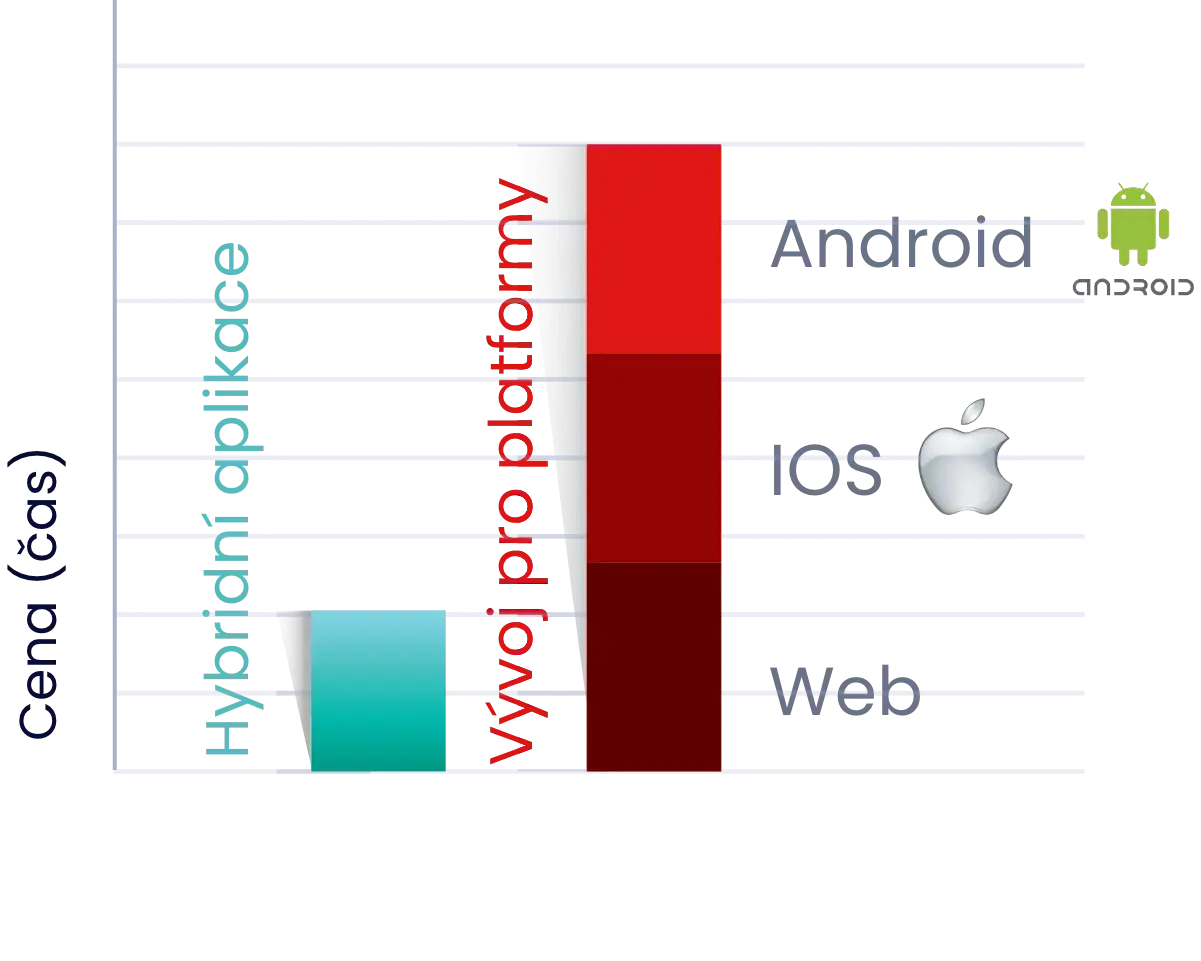
The cost of developing a custom mobile application using shared source code is comparable to development for 1 platform. Instead of two parallel teams for iOS and Android, you only need one team of iQuest experts, which significantly saves investments in development and subsequent service and maintenance. Compared to traditional development, the client saves up to 1/2 of the total costs.
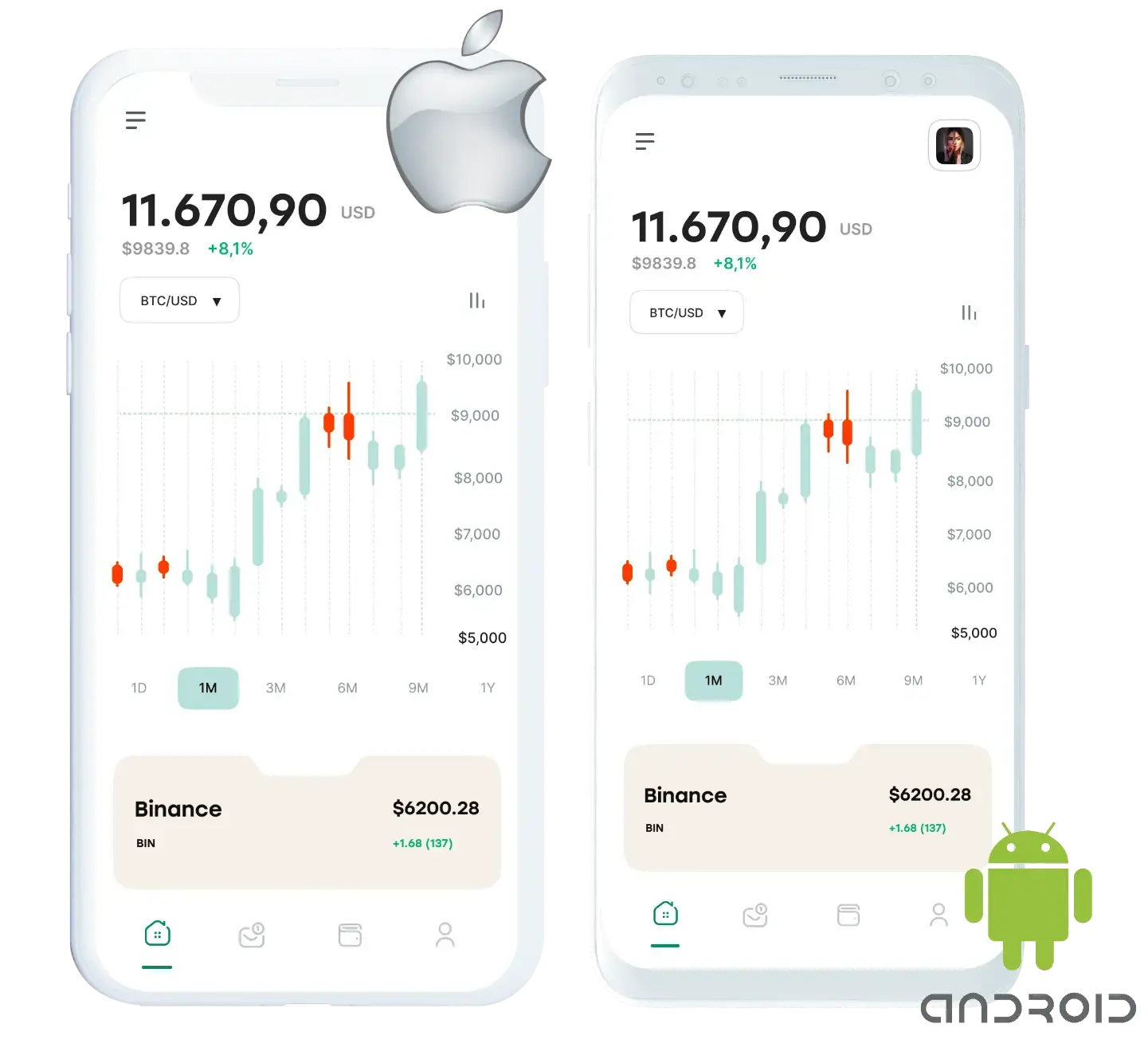
Single development for iOS and Android
Instead of writing two separate applications in Swift and Kotlin, we develop one code that runs natively on both operating systems. This eliminates functional differences between versions, simplifies automated testing and enables lightning-fast deployment of new updates.
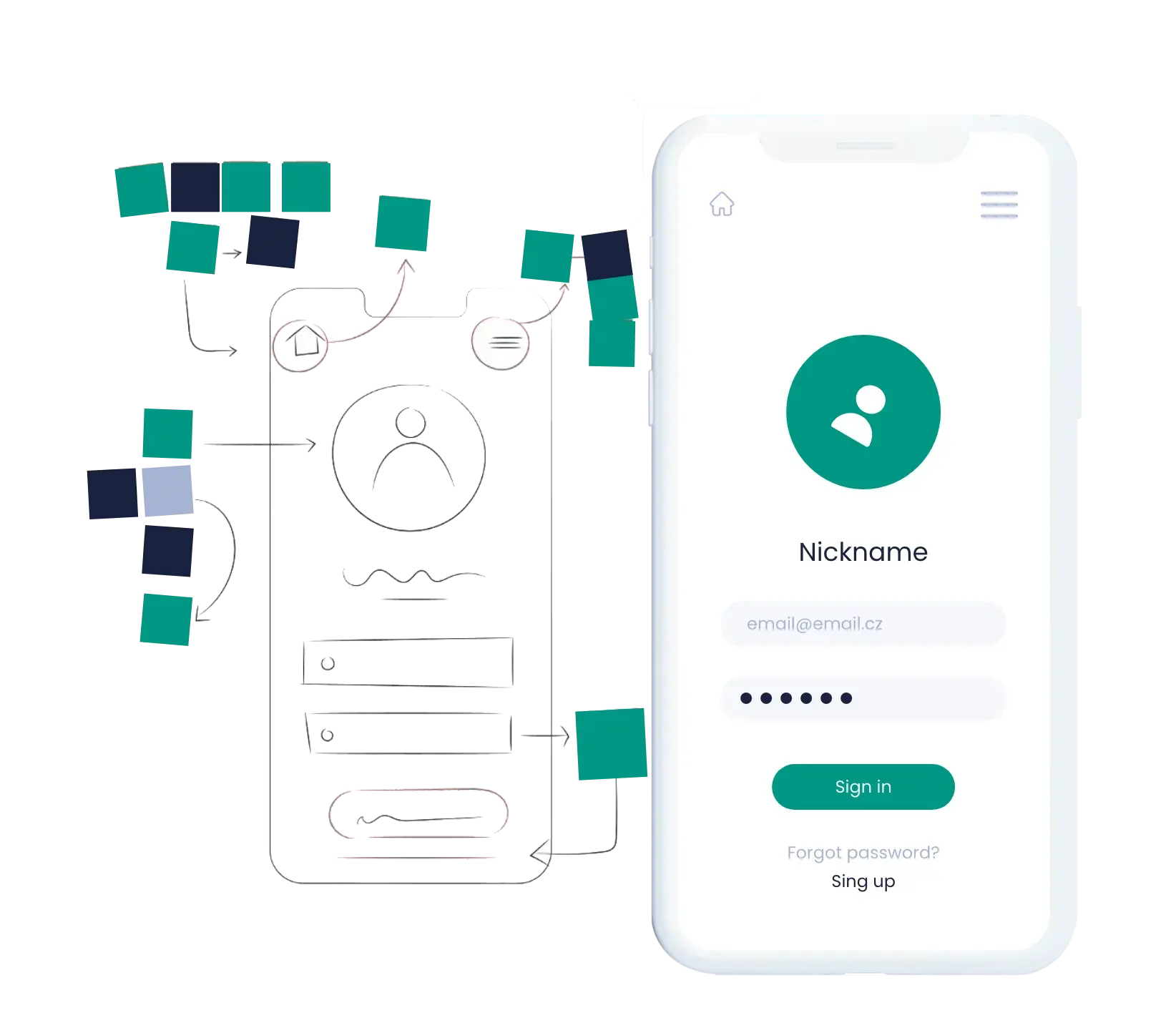
Great user experience
Hybrid mobile applications do not limit graphic designers and developers in creating a design-perfect and user-friendly environment.
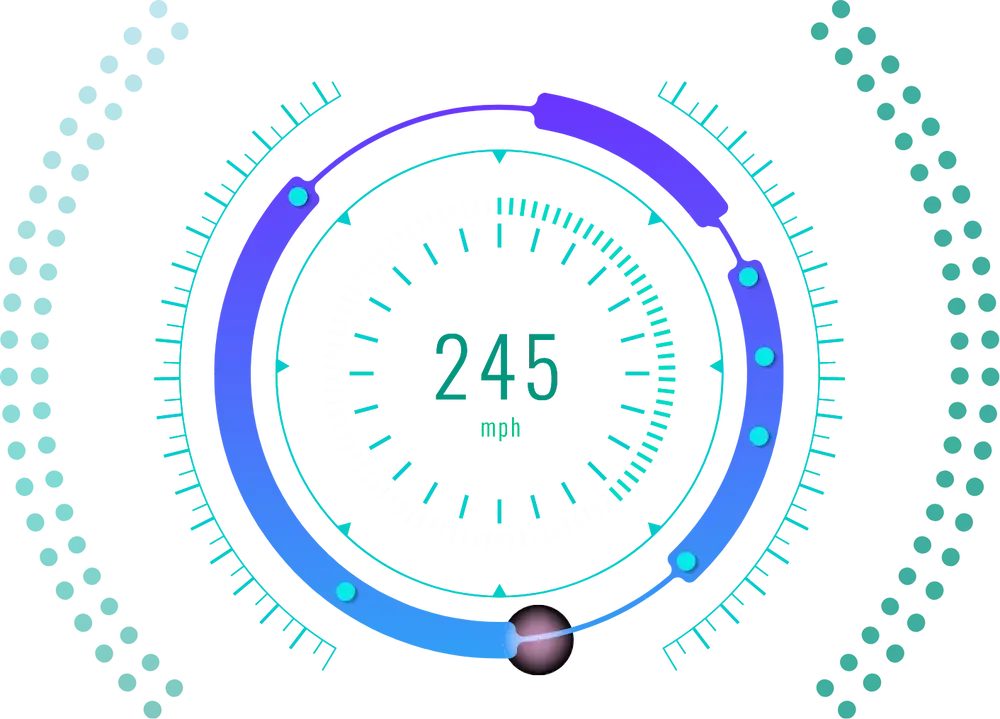
High performance and native speed
Using modern technologies such as React Native and Expo, we achieve lightning-fast user interface responsiveness. Proper code optimization guarantees smoothness comparable to purely native development, which is key to maintaining user attention and great app ratings.
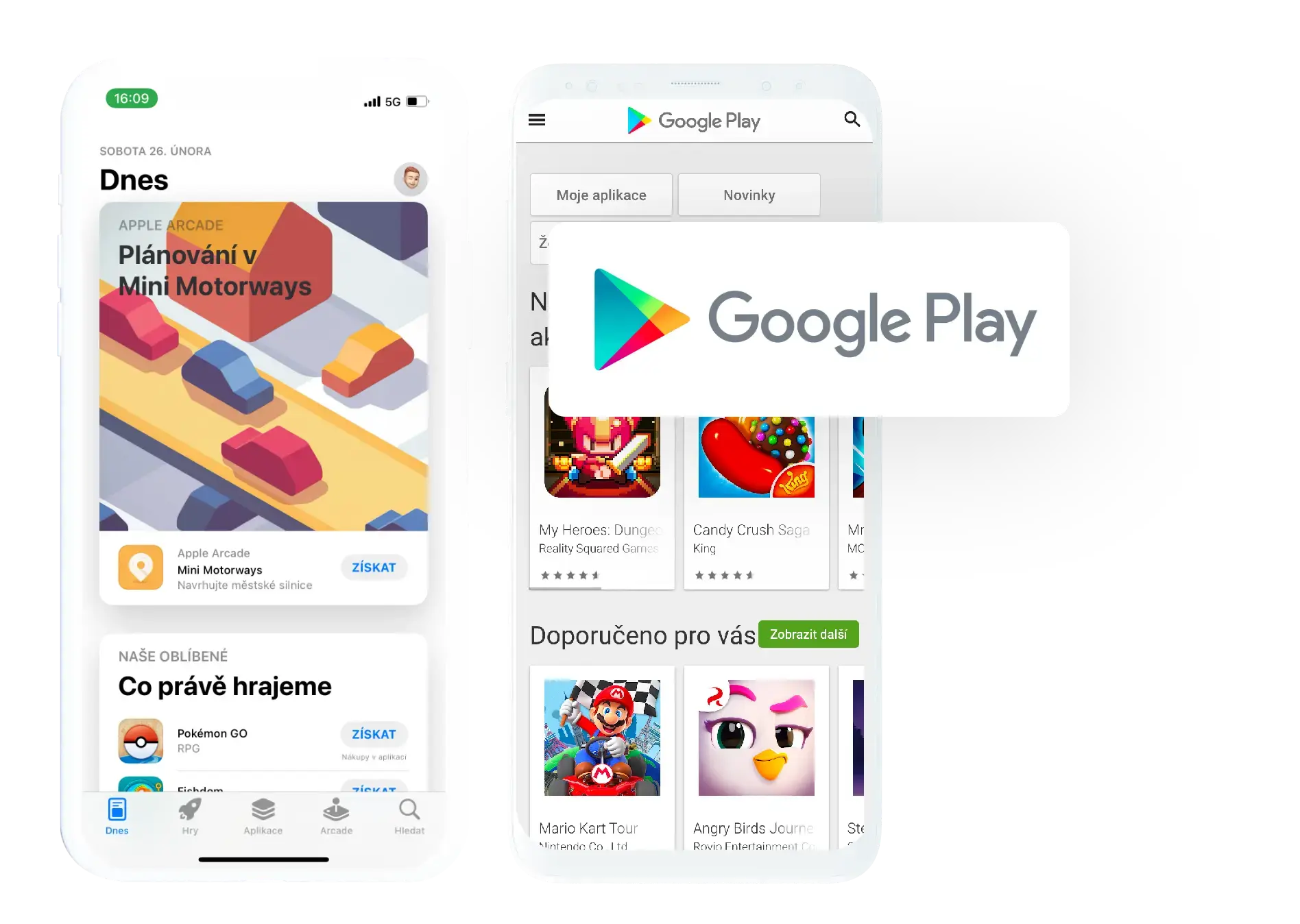
Availability in the App Store and Google Play
Your custom mobile application will be fully compatible with both Google Play and the App Store. We will ensure the complete publishing process, from meeting technical standards to approving applications for iPhone and Android, so that your software is immediately available to target users.
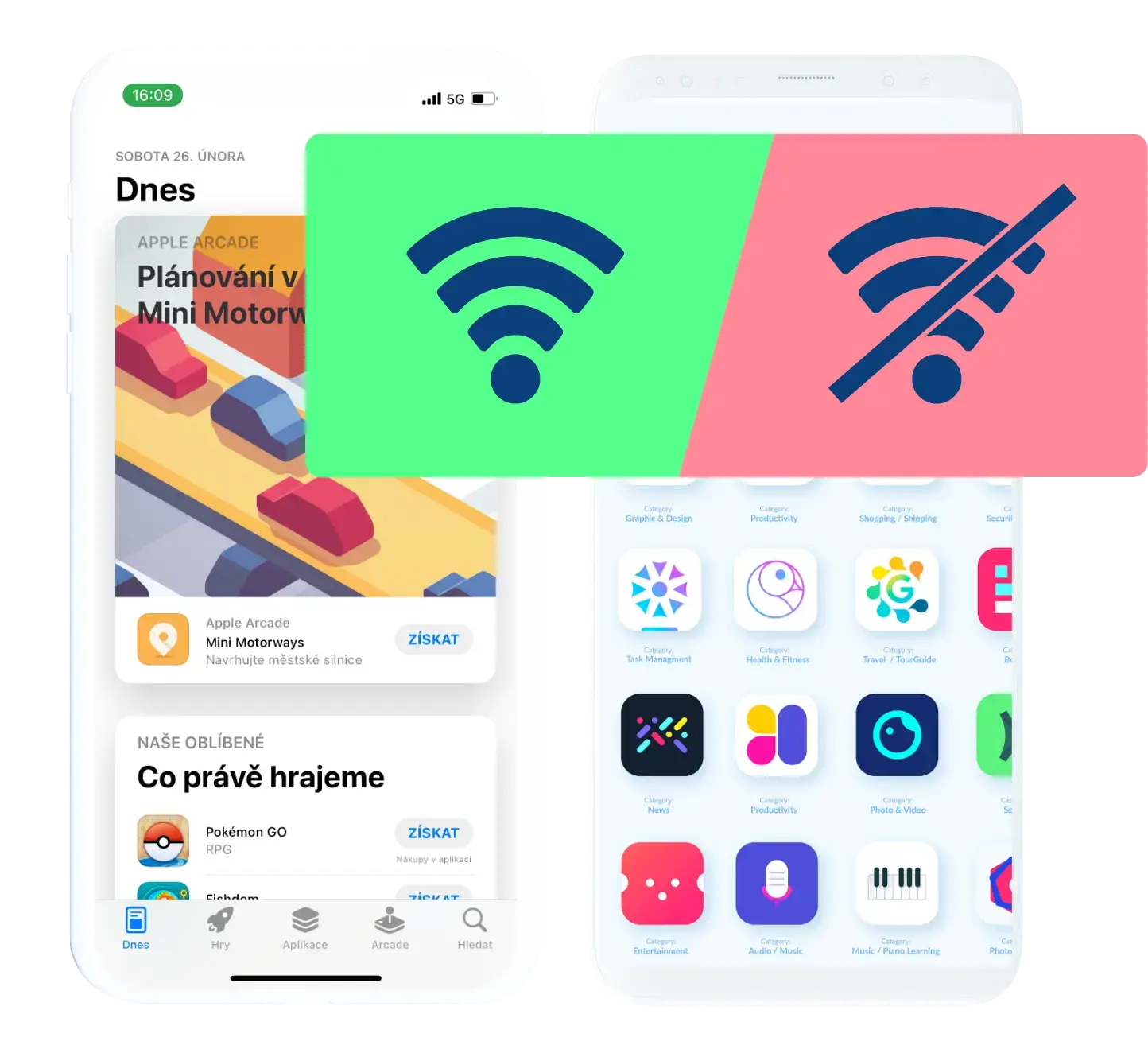
Offline mode and data synchronization
We design a robust architecture with support for offline operation. Your application will remain functional even in places with a weak signal thanks to local data storage. As soon as the device connects to the Internet, automatic synchronization with a central server or cloud takes place.
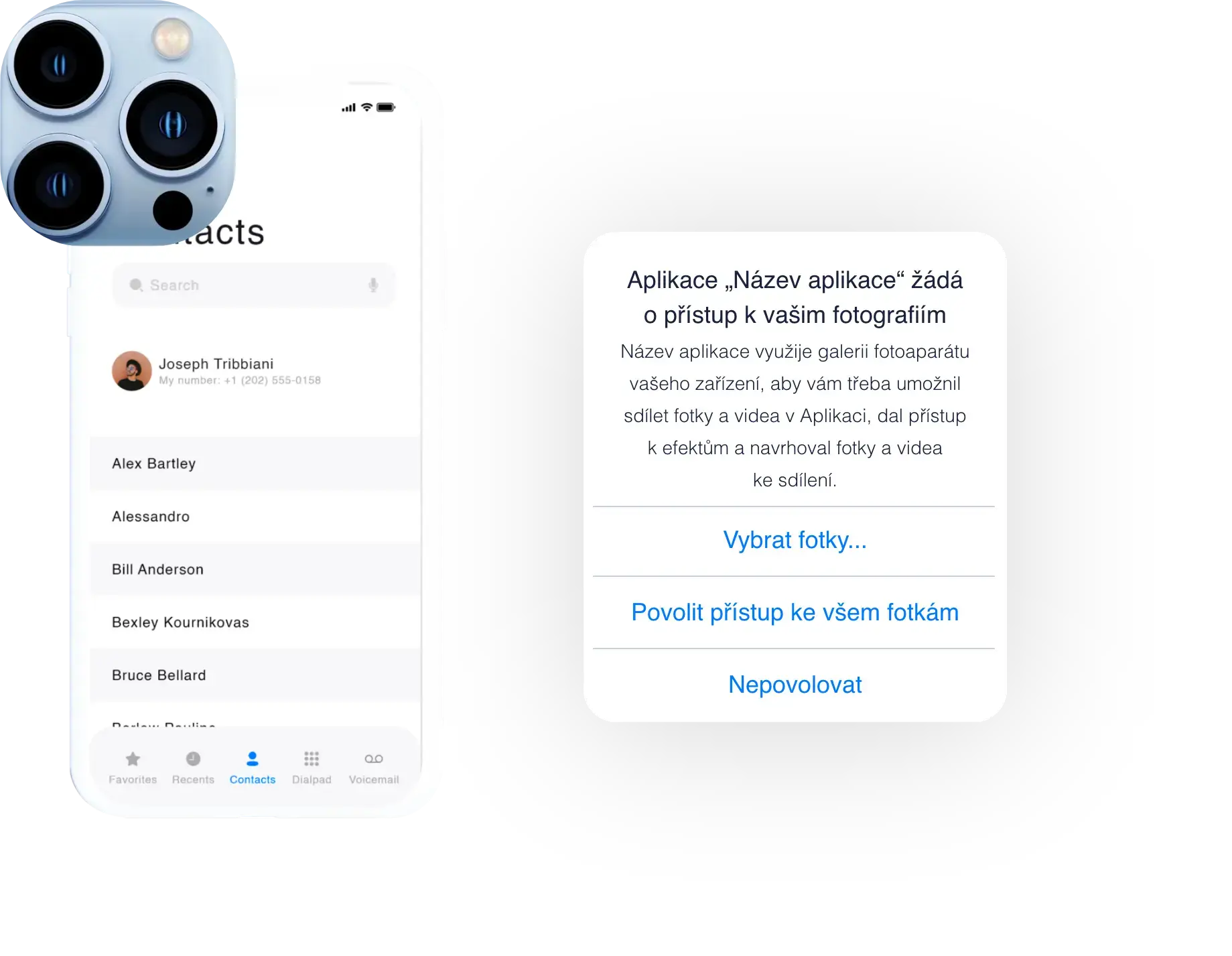
Full hardware device integration
The cross-platform applications we develop have 100% access to the hardware functions of smartphones. We implement advanced functions such as GPS location, biometric security (FaceID, TouchID), camera, accelerometer, NFC chips and complex push notification systems.
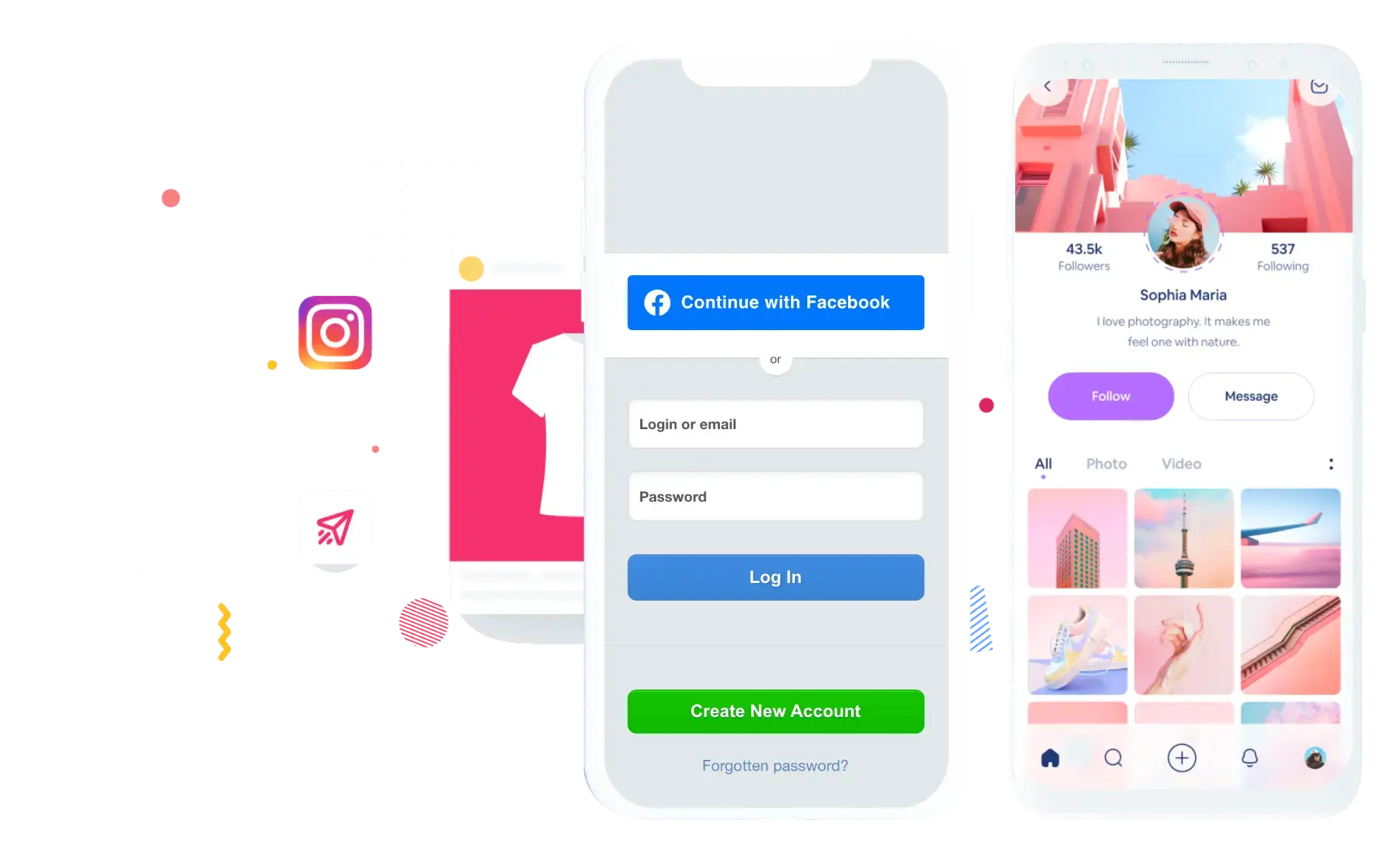
Social networks and external integration
We ensure seamless connection with external services. From quick login via Apple, Google or Facebook (OAuth), to sharing content on social networks, to integrating payment gateways, CRM systems or analytical tools for monitoring user behavior. For field employees, sales teams or management, we also develop corporate mobile applications that we connect with the company's internal systems.
What kind of mobile apps we develop
From customer apps with loyalty programmes to internal tools for field work. See where custom mobile app development pays off the most.
Corporate mobile apps
Apps for field employees, sales teams and management. Attendance, service jobs, approvals, reports and data from internal systems, online and offline.
Corporate mobile appsB2B and B2C apps
A mobile entry point into your commercial ecosystem. Partner orders, price lists, stock levels and a self-service zone for end customers.
B2B and B2C portalsOrdering systems
An order in a few taps, repeat purchases, shipment tracking and push notifications at every step of the process.
Ordering systemsReservation systems
Booking of time slots, seats, vehicles or services straight from the phone. Calendar, online payments and automatic reminders that cut no-shows.
Reservation systemsLogistics and transport
Apps for drivers and dispatchers. GPS, route planning, electronic proof of delivery, photo documentation and a full offline mode where there is no signal.
Logistics systemsMobile dispatching
Jobs, technicians and vehicles in real time. A mobile app for crews connected to a web dispatching centre and the phone exchange.
Web dispatching systemsCRM in your pocket
Contacts, activities, quotes and the sales pipeline always at hand, including two-way synchronisation with your CRM or ERP.
CRM systemsCommunication apps
Chat, video calls, push notifications and a corporate social network with the emphasis on data security and instant response.
Communication appsPeople and shift organisation
Shifts, attendance, tasks and records of completed work for operations that run in several places at the same time.
People organisation systemsMVP for startups
Validate your idea with real users. We deliver an MVP of your mobile app in weeks and grow it based on feedback from live operation.
App development for startupsPWA as an alternative
Sometimes a progressive web app with no store installation is enough. We will tell you openly when a PWA makes more sense than a native app.
Progressive web applicationsWeb and mobile as one system
A mobile app on top of a shared backend with web administration. One team, one data layer, consistent behaviour on every device.
Web application developmentHow to build a mobile app step by step
Building a mobile app with us runs in six transparent steps. After every iteration you get a working app on your own phone, not a slide deck.
Consultation and estimate
We go through your goals, target audience and scope. You leave with a first estimate of cost and timeline and with a recommendation of what belongs in version one.
Analysis and specification
Process analysis and a specification of the required functionality. We define the data model, integrations and priorities so that the first release contains only what brings measurable value.
UX/UI design and prototype
Wireframes and a clickable prototype in Figma. The UX/UI design respects the conventions of both iOS and Android and we validate it before the first line of code.
Development in React Native
We code in React Native and Expo in two-week sprints. You install the app continuously through Expo Go or TestFlight and comment on every iteration.
Testing and release
Automated and manual tests on real devices, code review, preparation of metadata and screenshots. We guide you through the App Store and Google Play review process.
Operation, support and growth
Monitoring, customer support and SLA, updates for new iOS and Android versions and further development driven by real usage data. OTA updates can reach users the same day.
The technology behind our mobile apps
React Native and Expo are the core. But a mobile app is only as good as the backend, integrations and operations underneath it.
React Native and TypeScript
React Native with TypeScript and business logic shared with our React web work. One team, one language, up to 90% of the code shared between iOS and Android.
Expo, EAS and OTA updates
Expo SDK, EAS Build and EAS Update. Cloud builds, distribution to testers within minutes and updates delivered to users without waiting for store approval.
Custom backend and API
REST and GraphQL APIs in Ruby on Rails or Node.js on top of PostgreSQL. We can also connect the app to your existing ERP or information system.
Push notifications and offline mode
Push notifications through Firebase, local databases and a synchronisation layer that handles work without signal and reconciles data once the device is back online.
Hardware and integrations
GPS, camera and QR or barcode scanning, NFC, Bluetooth, biometrics (FaceID, TouchID), payment gateways and sign-in with Apple, Google or Facebook.



Mobile apps we have built
Case studies from real projects. You will find more of them among our references.
e-Myslivost – a mobile app with a full offline mode
Records of hunting grounds, game and tags, booking of hunting stands and map views. The app works online and offline, because you cannot rely on signal in a forest.
e-Myslivost case studyBakker – an app for the drivers of 110 trucks
A mobile app on a tablet in every vehicle, connected to the dispatching system and the logistics platform. Drivers see their trip requirements and any changes, dispatchers track loading and unloading status across Europe in real time.
Bakker case studySmart Work System – project management from a phone
A platform for managing company processes, projects and work records, accessible from both web and mobile devices. We described it in detail in a case study on our blog.
Smart Work System case studyHow much mobile app development costs and how long it takes
The cost of building a mobile app depends on the scope of features, the number of integrations and the complexity of the design. To give you an idea of the scopes our custom app projects usually fall into:
MVP – the first release
usually 8–14 weeks
One main feature done properly, sign-in, API integration and publishing to both stores. Ideal for validating the market and for startups.
Full-scale application
usually 4–8 months
Multiple user roles, offline mode, push notifications, payments, integrations with internal systems and premium UX. Development runs in iterations, so you have the first build on your phone within weeks.
Growth and support
long term, monthly
A service level agreement (SLA), updates for new iOS and Android versions, monitoring, security patches and new features driven by real usage data.
What drives the cost of mobile app development the most
- The number of screens and user roles
- The number and complexity of integrations with existing systems
- Offline operation and data synchronisation
- The complexity of graphics, animations and custom components
- Security, code audit and GDPR requirements
- The scope of testing and support for older devices
You will get a specific quote after an analysis of your requirements, usually within a few days. We do not throw numbers around, we count on the app paying for itself. You can also get a quick estimate of the scope and price yourself in our app development price calculator.
Why choose custom mobile app development from iQuest?
Multiplatform mobile application development represents a technological bridge that combines the flexibility of web development with the uncompromising performance of a native environment. At iQuest, we specialize in the React Native and Expo frameworks, which allow you to write a single shared source code for both iOS and Android. This modern approach not only radically speeds up the application creation process, but also ensures consistent system behavior on all devices and significantly simplifies subsequent maintenance and future expansion with new features.
Investing in a custom mobile application should bring measurable growth and efficiency to your business. Thanks to the hybrid development model, you get top-notch software that offers users a native feel and lightning-fast response, at a fraction of the cost compared to parallel development of two separate versions. Our applications are designed for high load from the first line of code, are easily scalable and ready to integrate with your internal systems or cloud services. For new digital products, we can start with MVP development for startups, validate user interest and then develop the application further based on the feedback gathered.
We are a Czech software company based in Prague with our own development team, so you talk directly to the people who design and code your mobile app. No chains of subcontractors, no requirements passed through three intermediaries. What sets us apart and how the cooperation works in practice is described on the why iQuest page.